Warning Signs Your Septic Tank Is Failing — What Scotland County Homeowners Should Watch for With Septic Tank Cleaning
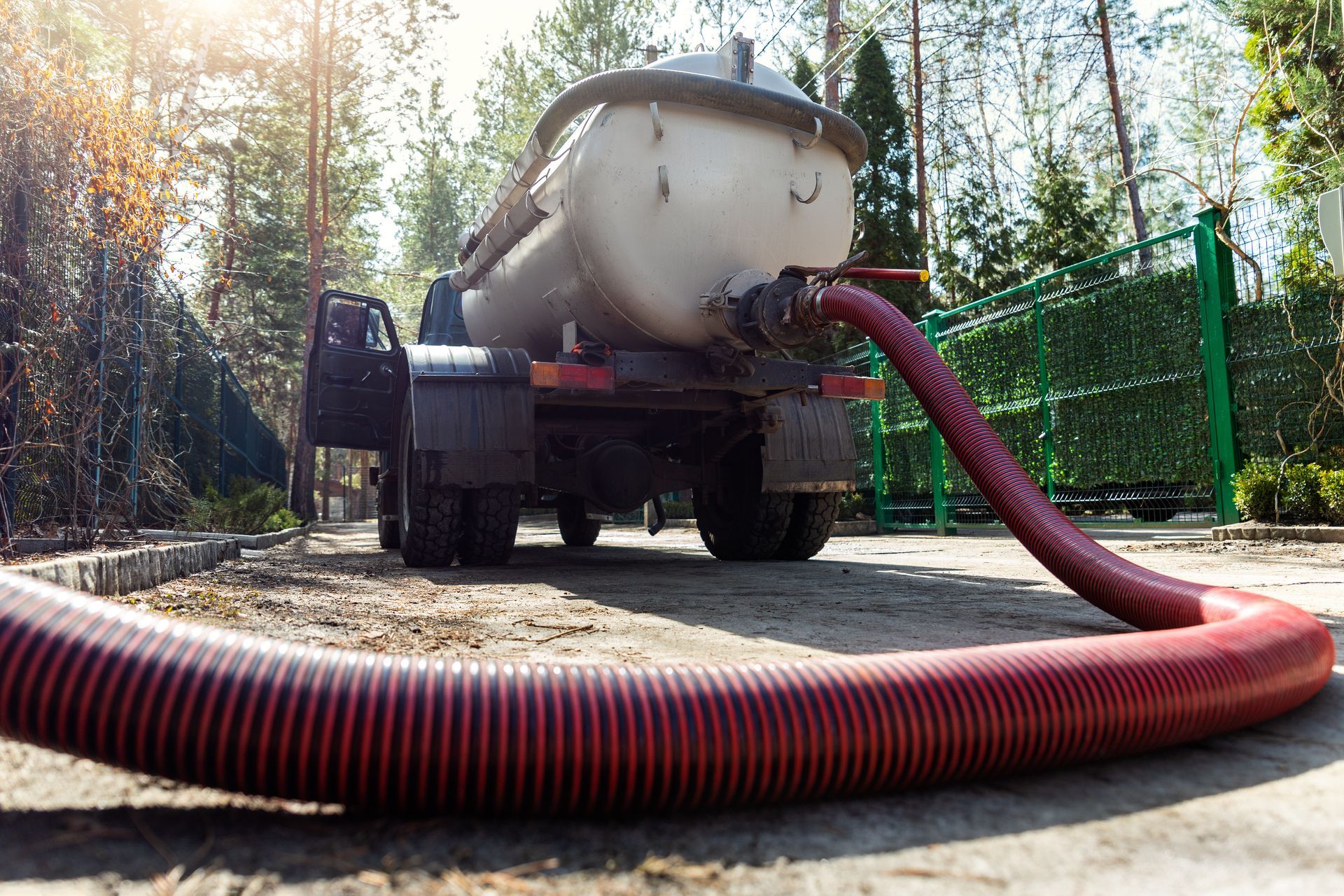
Knowing when your septic system may be heading toward failure can protect your home, your yard, and your family's health. Septic tank cleaning in Laurinburg, NC, is one of the most reliable ways to prevent a full system failure before it becomes a costly emergency. Scotland County homeowners depend heavily on private septic systems, and understanding the early warning signs can mean the difference between a routine service visit and a major repair. Call 910-276-0216 to schedule service with Cooper Septic Tank Service before a small issue turns into a serious problem.
Why Scotland County Homes Face Unique Septic Challenges
Scotland County sits in southeastern North Carolina's Sandhills region, where soil conditions vary widely across the area. Some properties sit on sandy, well-draining soils, while others contend with heavier, clay-rich ground that drains more slowly. Septic systems installed in areas with high groundwater tables and in soils with high clay content may be more susceptible to flooding during extreme precipitation events. The region also receives significant seasonal rainfall, which can saturate the soil around a drain field and push a stressed system toward failure faster than homeowners might expect. Staying alert to warning signs is especially important in this environment, and scheduling regular septic tank cleaning is one of the best protective measures available.
8 Warning Signs Your Septic Tank May Be Failing
Septic systems rarely fail overnight. They tend to send clear signals before a full breakdown occurs. Here are eight signs Scotland County homeowners should never ignore.
Slow Drains Throughout the House
Slow drains are one of the earliest signs of a septic problem. When multiple fixtures in your home drain slowly at the same time, it often points to a full or clogged tank rather than a simple pipe clog. A single slow drain may just be a blockage, but widespread slowness suggests the tank needs attention.
Gurgling Sounds in Pipes
Gurgling noises coming from toilets, sinks, or tub drains after flushing or running water can signal that your tank is filling beyond its capacity. The sounds happen when air is displaced in a system that has nowhere left to push waste. This is a sign that routine septic tank cleaning may be overdue.
Sewage Odors Inside or Outside
A properly functioning septic system should contain all odors. If you notice a rotten egg smell near your drains, in your yard, or around the tank lid, something is off. Odors outside near the drain field often mean effluent is surfacing where it should not be.
Wet or Soggy Spots Over the Drain Field
Pooling water or unusually wet patches of grass in your yard near the septic drain field are a serious red flag. Wastewater management systems can become overwhelmed, causing raw sewage to leak into the surrounding environment. In Scotland County's low-lying areas, this problem can develop quickly after heavy rain, so do not assume wet spots are just from rainfall alone.
Unusually Lush, Green Grass Over the Drain Field
A bright green, fast-growing patch of grass directly above your drain field may look healthy, but it typically means sewage effluent is fertilizing the surface from below. This is a sign the system is not properly containing waste underground. If the rest of your yard is dry but one area is thriving, investigate further.
Sewage Backup Into the Home
Raw sewage backing up into toilets or floor drains is the most urgent warning sign. This typically means the tank is full, a line is blocked, or the system has failed in a way that requires immediate professional attention. Do not delay calling for emergency septic tank cleaning<https://www.cooperseptictankservices.com/emergency-septic-tank-cleaning> if this occurs.
Standing Water or Odors Near the Tank Lid
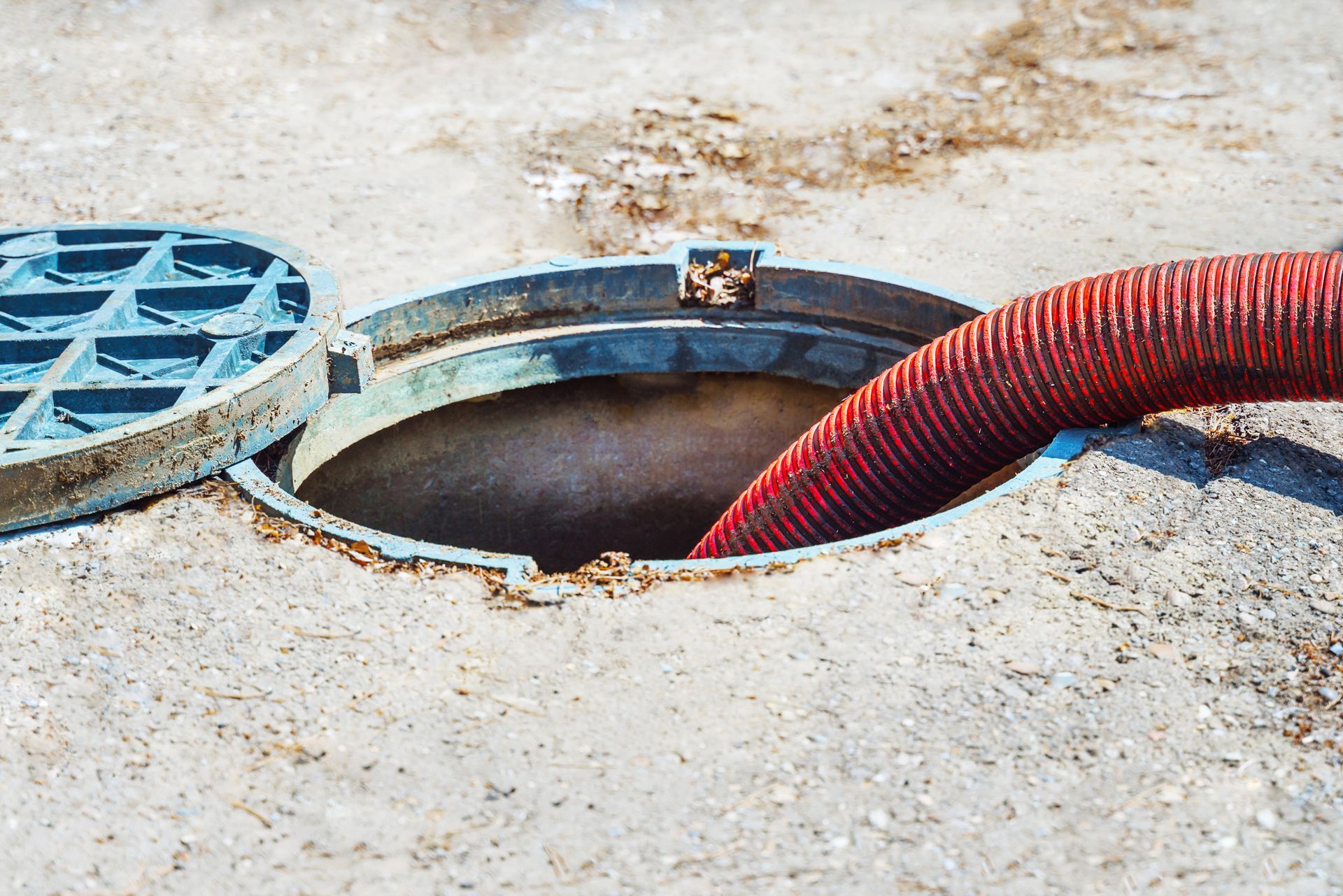
Visible moisture, muddy ground, or strong odors around the tank access lid can indicate a crack, a faulty seal, or an overfull tank. A lid that is beginning to sink or shift may also signal structural issues with the tank itself.
It Has Been More Than 3 to 5 Years Since the Last Cleaning
Emptying a septic tank every 3 to 5 years can help prevent overflows. If you cannot remember the last time your tank was serviced, that is a warning sign on its own. In Scotland County's varied soil conditions, longer intervals between cleanings can accelerate wear on the system.
How Often Should I Schedule Septic Tank Cleaning in Laurinburg, NC?
Most septic professionals recommend cleaning every 3 to 5 years for an average household, though frequency can vary based on household size, usage, and tank capacity. Homes in Scotland County with heavier clay soils or aging systems may benefit from more frequent service visits.
Can Heavy Rain Cause a Septic System to Fail?
Yes. Saturated soil from heavy rainfall can prevent a drain field from absorbing effluent properly, which may cause backups or surface pooling. Southeastern North Carolina's seasonal rain patterns make this a real concern for many homeowners in the area.
What Should I Do If I Notice Multiple Warning Signs at Once?
If you are experiencing two or more of these warning signs at the same time, it is best to schedule a professional inspection as soon as possible. Catching a problem early through routine septic tank cleaning services is almost always less costly than addressing a full system failure.
Schedule Service Before a Small Problem Becomes a Big One
Acting early is the most cost-effective thing a homeowner can do for their septic system. Cooper Septic Tank Service has been serving Scotland County and the surrounding region since 1978, helping homeowners in Laurinburg, NC, catch problems before they become emergencies. The team understands local soil conditions, seasonal challenges, and the types of systems common to properties throughout this area.
To schedule a septic tank service appointment, call 910-276-0216. For after-hours or urgent needs, 24-hour emergency service is also available. Look up Cooper Septic Tank Service on Google Maps to explore business details, confirm our location, and read what neighbors across Scotland County and the Sandhills region have to say.